
About four years ago, I had the realization that my advanced students sounded better on Book 1 not because they’d practiced their Book 1 songs more, but because they had more technique.
I know. Obvious. BUT. I wondered. Does technique need to be tied to repertoire?
I started experimenting with introducing various “more advanced” techniques during Book 1. The result: my students’ facility went THROUGH THE ROOF. And — the length of their home practice increased by about 30%.
My Book 1 lessons now look like this:
10 minutes of repertoire
10 minutes of note-reading
You might think that a five-year-old would lose interest after just a minute or two of boring old scales.
Turns out, not so much. Have you ever seen how long a young child spends trying to snap their fingers?
Each bowing pattern is like a new “trick.” Getting it really good is actually intrinsically satisfying. (Even if you’re five.) (ESPECIALLY if you’re five.)
My beginners and I do lots of tricks in each lesson, and each pattern takes only a few minutes. AND they love that it’s on easy material (a scale).
They take great pride in their technical precision, and they assume that practicing scales is central to their violin practice. They consider their repertoire to be the “fun” thing they do during the second half of their practice.
Ummm. Think about THAT for a minute! ╮ (. ❛ ᴗ ❛.) ╭
Over the past month, I’ve created videos for all the bowing patterns I use. The videos include my teaching points for that particular pattern. My Book 1 families use the videos between lessons to remember the rhythms, as a “sound model,” and to review my polishing points.
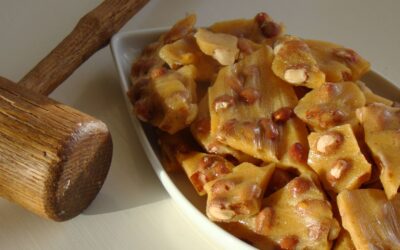
You can find the videos here. The titles mirror the rhythm and technique for that technique — so, for example, Peanut Brittle is staccato hooked bows, and Raisin Bread is two tiny notes (“rai-sin”) followed by a full bow.
You can also find the full complement of bowing patterns described in the Teacher Guide to Kaleidoscopes Book 1 (in the second volume of the parent book).
I hope you enjoy these bowing patterns and find them valuable for your young students!
Looking for Suzuki Violin Lessons in Austin?
At Enchanted Wood Suzuki Studio, we specialize in guiding young beginners and their parents through every stage of learning the violin. Whether you live in North Austin, Cedar Park, or Round Rock, our studio provides a warm, structured environment where parents and children thrive together.
Ready to get started? Contact our Austin violin teachers today to learn more about violin lessons at Enchanted Wood.
0 Comments